
28 August
Dear Friends,
“No human being can be unaffected by Jolene,” said Nelson Mandela. As one person on Substack reminded me this week, Mandela requested that Dolly Parton’s Jolene be played over the prison loudspeakers when he was on Robben Island. And he’s right, you know. Dolly Parton was a powerhouse of a person and loved by so many. But it wasn’t obvious. In fact, she was beloved exactly because she didn’t pretend to be anyone she was not. As Mary Towsend wrote this week, it is hard to imagine how the “tacky” country style we now know so well – the fringe, the stylised leaves, flowers and animals on the boots, hats, guitars and epaulettes – could inspire so many people from so many different political, cultural and economic backgrounds at once. We might even want to conclude that “it wasn’t God who made honky-tonk angels”.
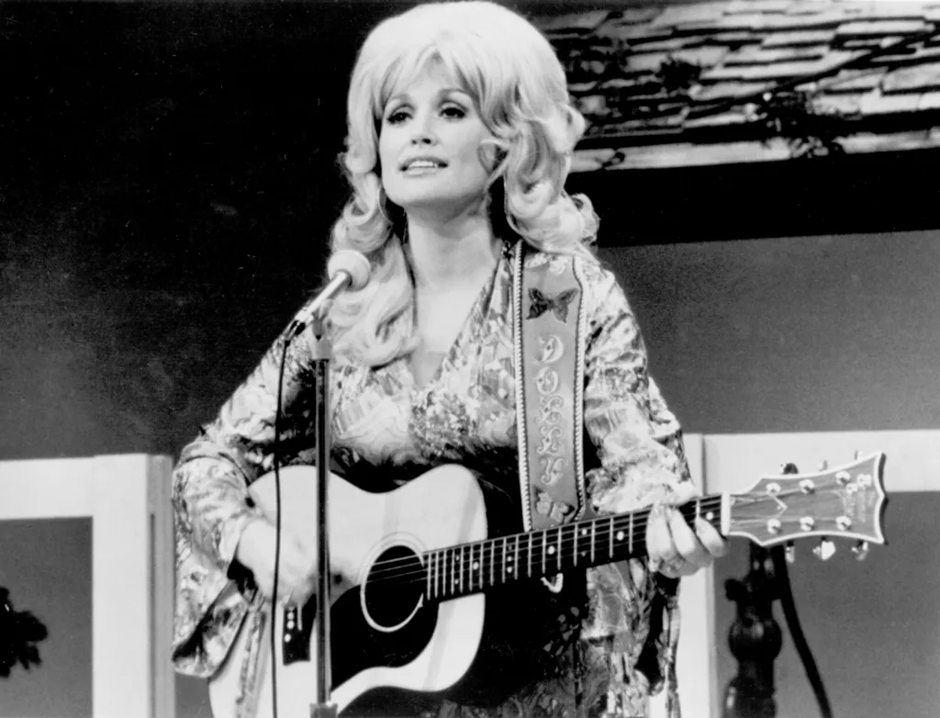
But seriously: why is that? Why did Dolly inspire so many people? I think Towsend gives a good answer:
“Dolly Parton is not simply a good person, or a beautiful poetess; she is both beautiful and good, in a way the philosophy of character strives to explain but can’t always illustrate convincingly. Usually, our heroes disappoint us with flaws or scandal, or our admiration and interest wanes and we move on to the next person to admire. But the more I come to learn about Dolly, the stronger my feelings become.”
See, Dolly didn’t just sing and wear her shiny suit (although she did that really well!). Indeed, as she warned, we cannot simply write her off as a “dumb blonde”. No, she talked the talk and walked the walk. She created a global literacy programme, invested significantly in her local community, championed a medical fund and handed out significant prizes to organisations that uplifted others.
The length of this newsletter introduction doesn’t allow for a full ode to Parton, but we can admit that she certainly was an island in the stream. She was a rock to hold onto when the world was in danger of losing the battle against the current. And I suppose the question before us is: how can we be such islands to one another? How can we learn again to rely on each other and be reliable to those who stand next to us?
Rest in peace, Dolly.
Marius